Chimera Injector Cold Flows - March 28th and May 12th, 2025
The Chimera team built a subscale injector article to compare calculated and measured inert-gas flow before a full engine test.
March 28
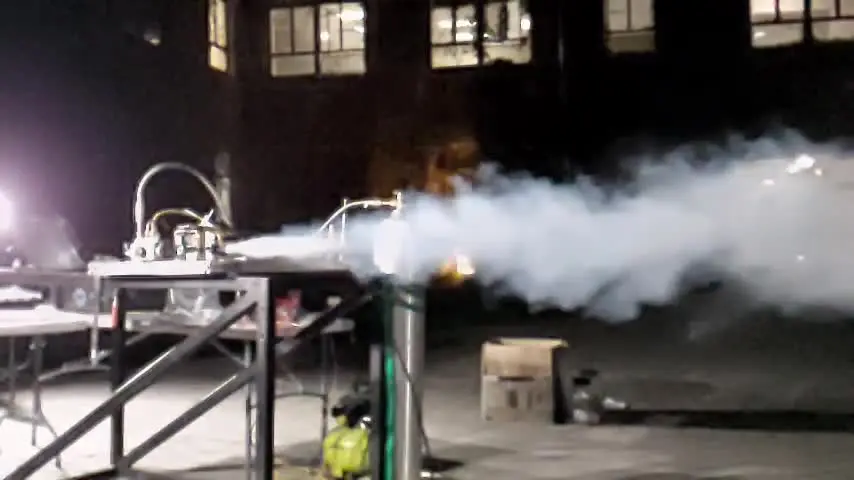
A leak check and three cold flows were completed in approximately five hours with no detected leaks. For Test 1, a preliminary reduction used a 1.71 kg mass change over 8.18 seconds, giving 0.209 kg/s. The same sheet used a supply-pressure change from 662.9 to 525.1 psi, or 138 psi, and returned a discharge coefficient of approximately 0.88.
That coefficient was not a final result. Shivesh reported that the original assumed coefficient of 0.68 underpredicted flow, but the sampling errors allowed fitted values anywhere from 0.66 to 0.897. The logger repeated some values for approximately 37 consecutive rows. Test 3's file showed about 10 seconds for a flow that lasted about 6 seconds on video, and Tests 2 and 3 could not be reduced accurately from the recorded time base.
May 12
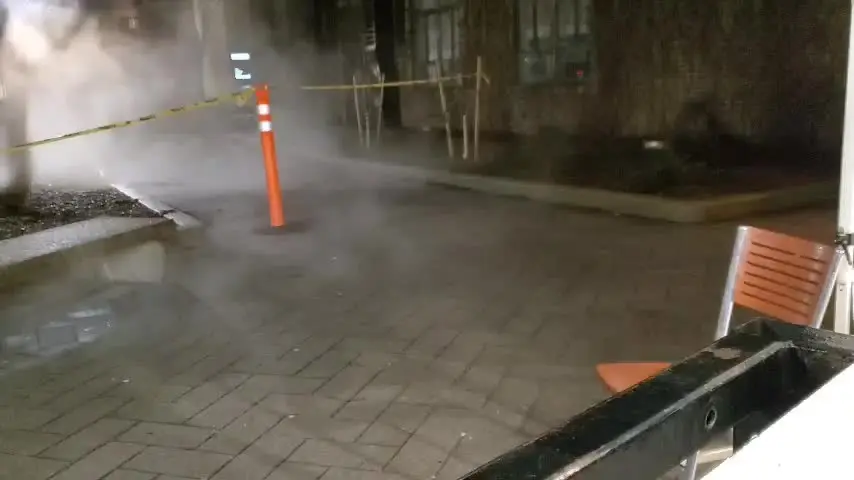
An initial run ejected the unclamped test article; no one was injured. Four subsequent cold flows were successful, and four telemetry files were preserved. The recorded corrective action was to clamp future full-scale articles and operate them remotely.
Shivesh's May 17 follow-up recorded that the 3/64-inch nitrous orifices flowed too little while the original 1/16-inch orifices flowed too much. He proposed reducing the outer-ring diameter to tune total orifice area and adding a fuel-rich outer layer for cooling. Chimera and SABRE ended as SPRINT began. Neither engine program produced a verified firing, and SPRINT was a separate rapid-development test system.
Download the four May cold-flow workbooks